Adequate and ethical digestive health care relies on the ability, education, and judgment of the operating surgeon. Complex abdominal disorders of contemporary medicine require not only technical skills but also knowledge of metabolic and long-lasting patient health outcomes.
The well-known Queensland-based upper gastrointestinal and bariatric surgeon, Dr William Braun, is known to be experienced in advanced laparoscopic and metabolic surgery. Holding FRACS and PhD qualifications, he has played a significant role in surgical learning and studies without losing his essential focus on patient-centred care.
His approach is an integration of experience and academic leadership to promote safer and more effective surgical outcomes.
The Importance of Expertise in Surgical Planning
Careful planning before surgery is one of the most significant considerations in successful digestive surgery. Before advising a procedure, a highly skilled GI Surgeon reviews the condition of each patient through detailed diagnostic evaluation, imaging, and analysis of the medical history.
This is so that surgical operations are not applied as a one-fits-all solution.
Other risk factors, including obesity, diabetes, and prior abdominal surgeries, that can have a big impact are also considered by experienced surgeons. They can develop safer surgical plans that minimise risks and shorten recovery time by identifying potential complications early.
Advanced Laparoscopic Techniques and Safety
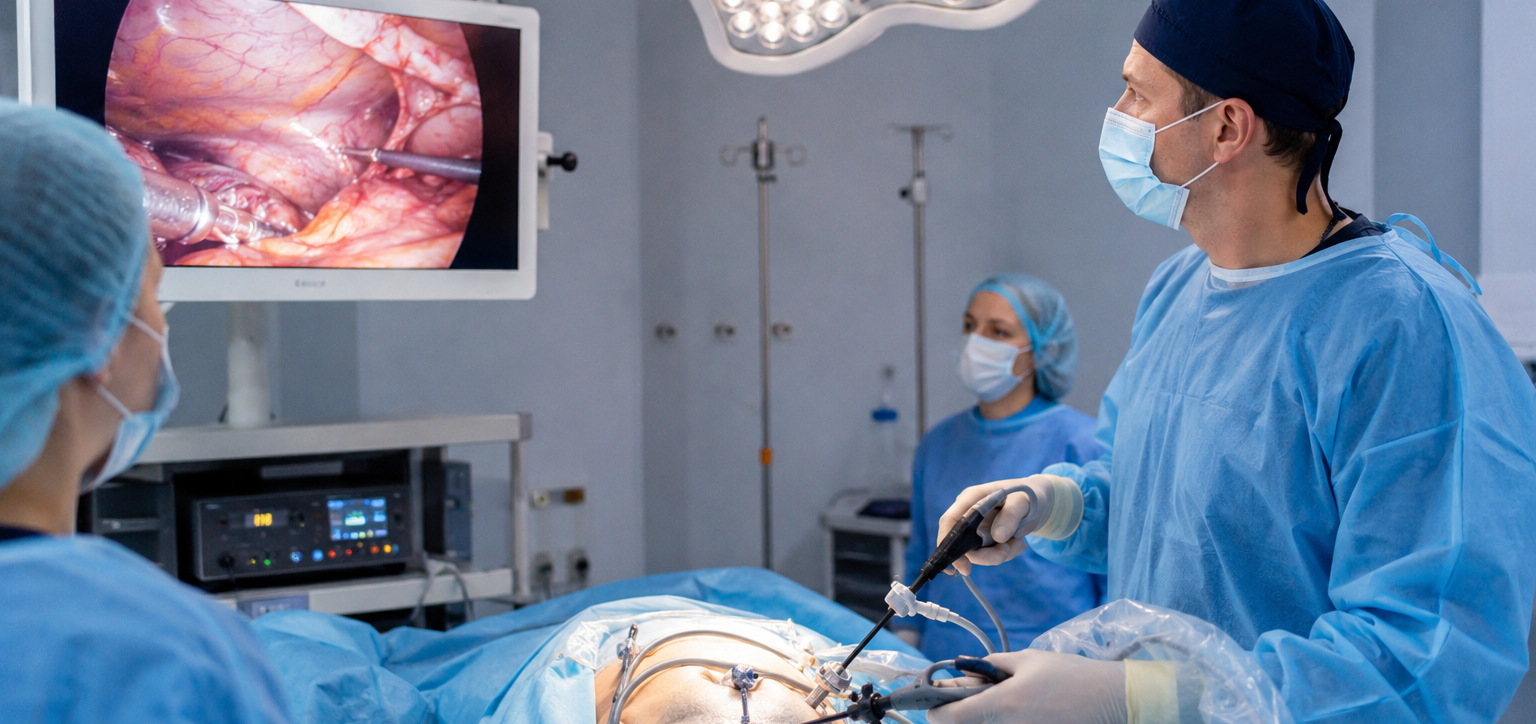
Gastrointestinal surgery has developed a lot in relation to minimally invasive means. The current methodologies of GI Procedures enable surgeons to perform surgeries using small incisions, and this reduces pain, scarring, and improves the healing process.
High-level laparoscopic surgery demands accuracy, hand stability, and anatomical knowledge.
Surgeons like Dr. William Braun integrate cutting-edge technology with refined surgical skills to enhance accuracy during operations. This technique ensures not only safer conduct of the procedure but also promotes quicker post-operative recovery and reduced complications in patients.
Precision in Treating Digestive Conditions
The good surgical care does not end in the actual surgery. It also entails treatment of the underlying cause of the illness. Comprehensive gastrointestinal disease treatment demands an integrated approach that integrates surgical therapy and long-term metabolic therapies.
The needs of conditions like reflux disease, gallbladder diseases, and complications related to obesity require special consideration and treatment regimes.
Accomplished surgeons are directed not only to repair digestive organs but also to enhance general metabolic wellness. This ensures that patients experience sustained improvement rather than short-lived relief.
Commitment to Long-Term Patient Outcomes
In addition to the skills and knowledge they have in surgery, the most respected surgeons are those who can put the long-term wellbeing of patients into perspective. This involves postoperative monitoring, lifestyle counselling, and ongoing follow-up to achieve lasting change and improved health.
Academic surgeons such as Dr. William Braun tend to participate in research and teaching, assisting in establishing the best practice in the area of gastrointestinal surgery.
They are more than just the operating theatre. They are aimed at reducing their recurrence rates, increasing their quality of life, and providing support to their patients through all their stages of recovery. Such a comprehensive nature is an account of the transforming role of modern surgical care.
Conclusion
The combination of service, innovation, and patient-centred care results in safe and effective gastrointestinal surgery. Through proper planning and advanced laparoscopy procedures, to full-scale treatment plans, the experienced surgeon would be a key factor in the positive outcome.
Scientific figures like Dr. William Braun show that academic excellence and clinical skill can be in unison to uplift the standards in modern-day surgery. Eventually, gastrointestinal care requires accuracy, experience, and a sense of long-term patient health.