GI disorders are upper gastrointestinal disorders that occur in the esophagus, stomach, and the upper small intestine. Such conditions are becoming more widespread because of lifestyle choices, changes in diet, and metabolic problems. Luckily, diagnostics and minimally invasive surgery have advanced significantly, improving patient outcomes with gastrointestinal disease treatment.
Understanding Upper GI Disorders
Upper GI diseases may range from mild digestive intestinal irritation to chronic illness or surgical diseases that need special care. Timely diagnosis is relevant to preventing complications and enhancing the overall health outcomes.
The most typical disorders comprise:
Gastroesophageal Reflux Disease (GERD)
Chronic disease in which the stomach acid refluxes into the esophagus, resulting in heartburn, chest pain, and regurgitation. Unattended, it may cause esophageal inflammation.
Peptic Ulcer Disease
Bacterial infection (H. pylori) or prolonged use of anti-inflammatory agents can cause ulcers in the stomach or duodenum, resulting in pain and gastrointestinal bleeding.
Gallbladder Disease
In most cases, gallstones may obstruct the flow of bile, leading to intense abdominal pain, nausea, and inflammation that may need surgical intervention by a GI Surgeon.
Hiatal Hernia
Happens when some of the stomach contents herniate through the diaphragm, which tends to cause acid reflux and pain in the chest.
Gastroparesis
A disorder of slow stomach emptying, resulting in bloating, nausea, and poor digestion, is commonly associated with diabetes or a nerve disorder.
Treatment Options for Upper GI Disorders
Treatment varies according to the severity, underlying cause, and the health condition of the patient. Alternatives typically can be grouped into three categories:
Lifestyle and Medical Management
Management of most of the upper GI disorders commences with a conservative approach comprising lifestyle modifications and drugs. It is common to advise the patient to change diet, intake of trigger foods, and it is often recommended to take small meals to limit the burden on the digestive system.
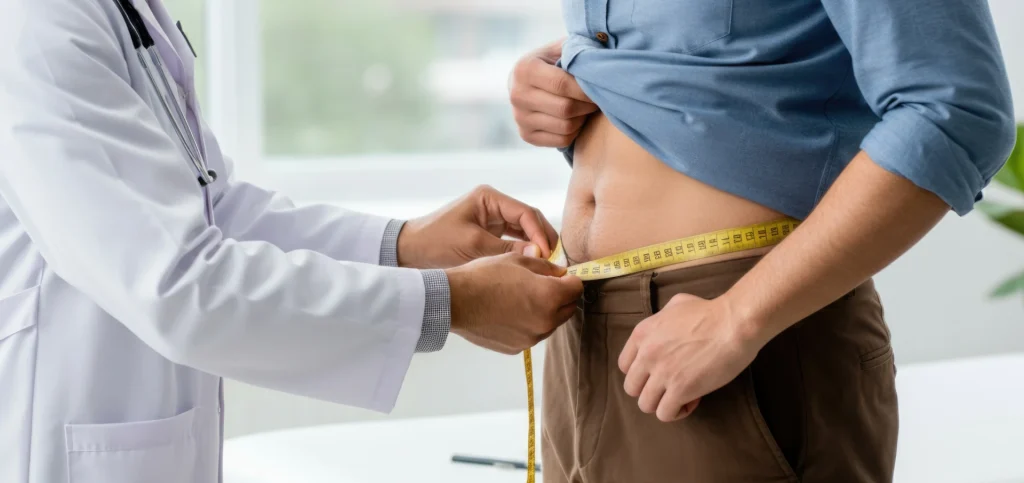
Commonly used are acid-reducing drugs, antibiotics in infection-related cases, and metabolic control in diabetes-related cases. Reducing weight and alleviating stress are significant to the enhancement of symptoms and their prevention over time.
Endoscopic Procedures
Endoscopic procedures are less invasive methods for diagnosing and treating upper gastrointestinal disorders, as suggested by Dr. William Braun, and do not require extensive surgical incisions. The flexible endoscope is put through the mouth and used to see a real-time view of the digestive tract.
Physicians are able to treat hemorrhagic ulcers, excise small proliferations, and expand constriction points. These procedures tend to have a shorter recovery period, lower risk, and are often performed on an outpatient basis.
Laparoscopic Surgery
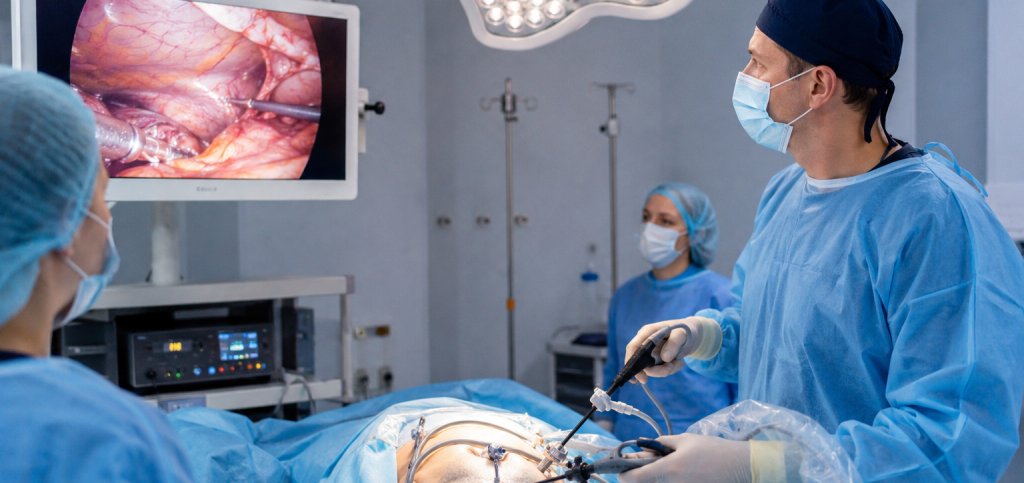
The laparoscopic surgery is indicated in cases of patients who have a severe or persistent problem in the upper GI and do not respond to medication or endoscopic measures.
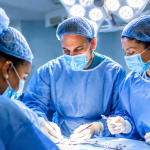
It is a minimally invasive surgical technique in which small incisions and specialised equipment are used to perform procedures such as gallbladder removal, anti-reflux surgery, and hiatal hernia repair. It is less painful, heals more quickly, and is more precise than the traditional surgery method in cases that require it.
Role of Specialist Surgeons in Upper GI Care
The experts, such as Dr. William Braun, are essential to the treatment of intricate gastrointestinal disorders. They specialise in high-level laparoscopic and metabolic surgery, including:
- Precision of minimal invasive surgery.
- Shortening patient recovery time.
- Making long-term metabolic health better.
- Bringing scientifically proven surgical practices to clinical practice.
Their academic and clinical experience gives them competence in providing evidence-based, modern treatment that meets the unique needs of patients.
Conclusion
With prompt medical intervention and appropriate treatment, upper GI disorders are very prevalent but quite curable. Lifestyle modifications and new technological laparoscopic surgery treatment methods have pushed the treatment to a safer and more successful stage.
Having trained surgeons who specialise in gastrointestinal care, the chances of patients gaining long-term recovery and enhancing their digestive systems have increased.